
Research team
ChitterChatter's research-led approach to AI speaking practice.
ChitterChatter's research work is led by Jadon Geathers, Co-founder and CEO of ChitterChatter and an Information Science PhD student at Cornell University.
The work focuses on AI-powered conversational agents for learning: systems that give students more authentic interaction, more repetitions, and more useful feedback without removing teacher judgment from the classroom.
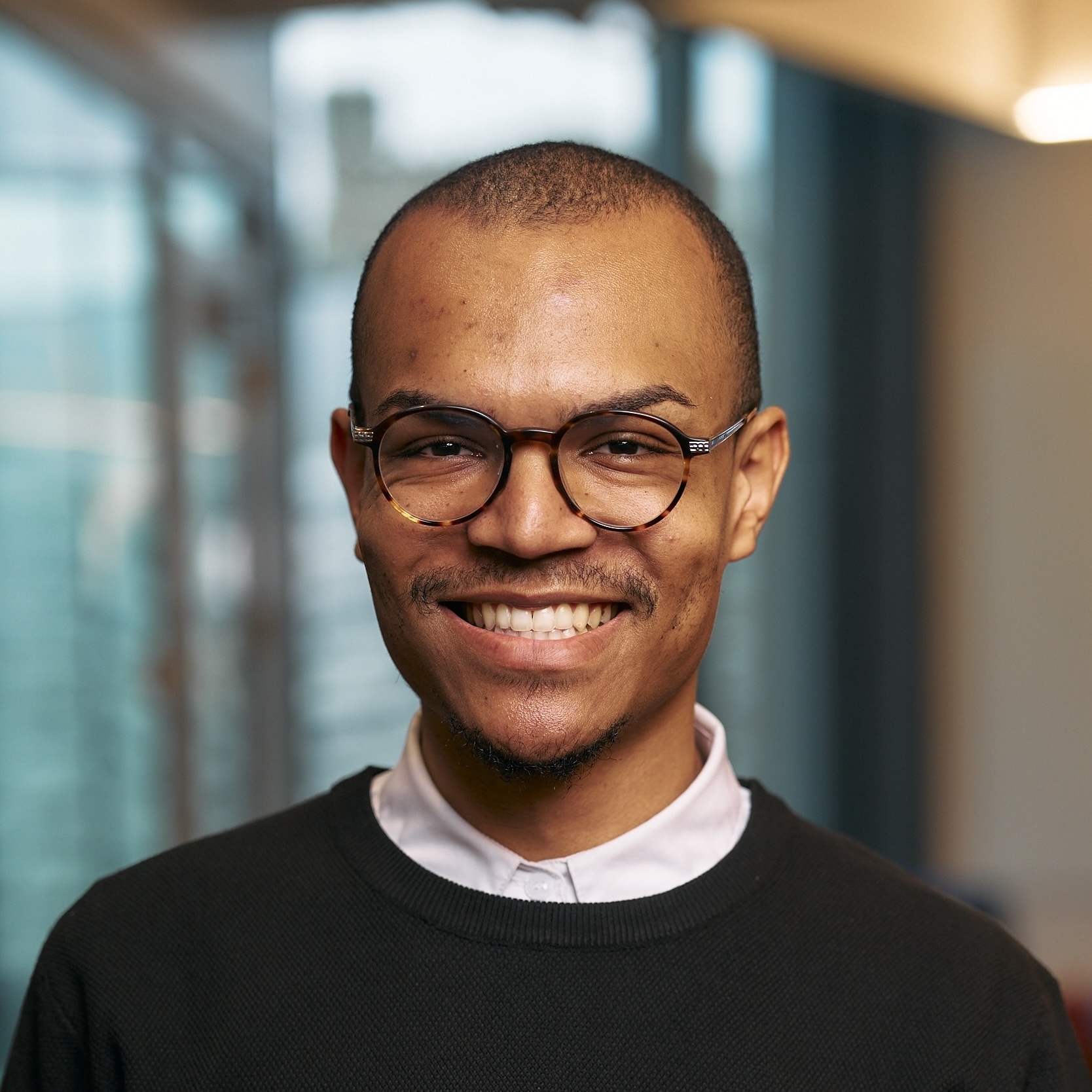
Research lead
Jadon Geathers
- Role
- Co-founder and CEO, ChitterChatter
- Affiliation
- Information Science PhD student, Cornell University
- Education
- MS Computer Science and BS Mathematics, Stanford University
- Research focus
- Conversational AI, feedback systems, language learning, and scalable learning technologies
- Location
- Ithaca, NY
Jadon develops AI-powered conversational agents that support learning through authentic, personalized interaction. For ChitterChatter, that means designing speaking practice that is realistic enough to matter, structured enough for classrooms, and low-pressure enough for students to try, repair, and repeat.
At Cornell, Jadon is part of the Future of Learning Lab and is advised by Professor Rene F. Kizilcec. His ChitterChatter work connects learning-sciences research with practical instructor workflows: curriculum-aligned tasks, student work teachers can review, and feedback that helps students prepare for live communication.
Research stance
Built around practice, confidence, and teacher interpretation.
ChitterChatter treats AI conversation as a way to increase meaningful speaking opportunities, not as a replacement for live instruction. The product is designed around language-learning ideas such as i+1, affective-filter reduction, Willingness to Communicate, role-play practice, and ACTFL-oriented communicative goals.
The practical design goal is direct: students should get more chances to speak in realistic situations, and instructors should get enough context to decide what needs modeling, follow-up, or assessment.
What the evidence shows
Research-informed practice. ChitterChatter gives students repeated speaking practice through teacher-created scenarios, with transcripts, recordings, and feedback to support review. Our methodology explains the learning research behind these choices.
Published ChitterChatter research. Jadon Geathers, A. J. Alvero, and René F. Kizilcec authored ChitterChatter: Curriculum-Aligned AI Speaking Partners for Language Learning Classrooms for the 2025 ACM Learning @ Scale conference. Explore more work from the Future of Learning Lab.
Early classroom experience. Students in three college Spanish classes piloted ChitterChatter. In interviews, students described feeling more comfortable practicing with an AI partner and preferred ungraded practice. Read about their experience in Patricia Waldron's July 2025 Cornell Chronicle article.
What we are still learning. The pilot offers insight into students' experience, but does not establish improved proficiency, long-term retention, or better results than other practice methods. Results may differ by learner and language. Instructors should review AI feedback and student work to decide how ChitterChatter fits their course.
News and recognition
December 2025
Cornell Graduate School
Student Spotlight: Jadon Geathers
Cornell's Graduate School profiled Jadon's path from Stanford to Information Science PhD work and ChitterChatter's role in low-anxiety language speaking practice.
November 2025
Cornell Language Resource Center
Speaking of Languages
Jadon joined Cornell's Language Resource Center podcast to discuss AI conversation partners, classroom integration, and the design behind ChitterChatter.
July 2025
Cornell Chronicle
AI Tool Helps Students Build Confidence Speaking Foreign Languages
Cornell Chronicle covered ChitterChatter as an AI-powered language-learning tool for realistic, low-stakes speaking practice with feedback.
April 2025
Cornell University
BOOM Contest Winner
ChitterChatter: AI Language Practice Partner, presented by Jadon Geathers, won Cornell's 2025 Bits On Our Minds Award.